Is That Lavender?
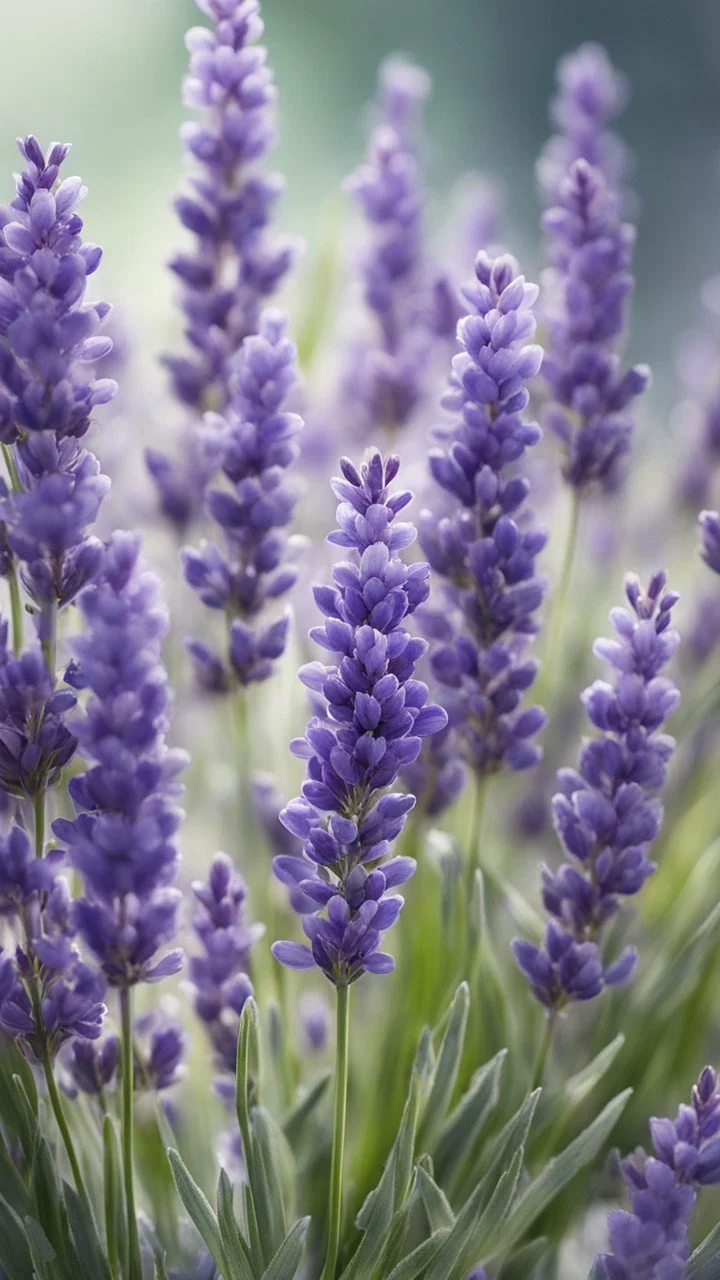
There is a running joke within aromatherapy circles that when someone who is less familiar with essential oils, scents, or herbal practices comes across a new aroma, they often ask, "Hmm...is that lavender?" In many ways, lavender has become the default essential oil of the aromatherapy world. While there are both good and bad reasons for this, the deva that is lavender truly deserves to be highlighted, revered, and respected.
I think lavender has become so familiar that many people almost overlook it. It has become the "vanilla" of the essential oil world, safe, recognizable, and expected. Yet beneath that familiarity lies one of the most versatile and respected plants in all of aromatherapy. Sometimes the most common remedies are the ones we take for granted.
Lavender essential oil is what made me a believer in the power of aromatherapy—not just for emotional and spiritual well-being, but for physical transformation as well. In my early years of practice, I was introduced to the story of the famed French chemist and perfumer, René-Maurice Gattefossé, who was conducting research in perfumery. According to the story, a laboratory explosion left him with severe burns to his hands. Some versions say he instinctively plunged his hand into a vat of lavender essential oil and later observed little to no permanent scarring. Other accounts suggest that he simply treated his burns with lavender essential oil, which helped prevent infection, reduced the risk of gas gangrene, and eased his pain.
Whether every detail of the story is historically accurate or not has become less important to me over the years. What mattered was the curiosity it sparked within me. Could the aromatic essence of a flower really support the body's ability to heal? That question sent me down a path of study that continues to this day. Nearly two decades later, lavender remains one of the essential oils I reach for most often—not because it is the answer to everything, but because time and time again it has reminded me of the incredible relationship between plants, the body, and the spirit.
I, too, had my own memorable experience with lavender essential oil. Years ago, I suffered a severe sunburn across my back that made it nearly impossible to lie down comfortably to sleep. In fact, I took the face cradle off my massage table and used it at night so I could sleep face down. Even then, the pain was intense. Aloe vera gel and lidocaine offered only temporary relief.
As I lay there trying to get comfortable, my mind drifted back to the story of Gattefossé. I remember thinking, "What the hell...it can't hurt, right?" I grabbed a bottle of lavender essential oil and gently applied it to the burns on my back. Almost immediately, I felt a noticeable sense of relief. From that moment on, I was sold.
Though, I do no advocate for essential oils replacing medical or psychiatric treatment, and common sense must be implored when working in a holistic framework, which includes allopathic care. My personal experience with lavender helped gain first hand evidence of its efficacy.
Lavender has also been the subject of considerable debate regarding its potential effects on the endocrine system. Concerns grew after a small number of case reports suggested that young boys who regularly used products containing lavender and tea tree essential oils developed enlarged breast tissue. However, those reports were not controlled clinical studies, and several factors including exposure to products containing multiple ingredients and synthetic chemicals known to have endocrine-disrupting properties, made it difficult to determine whether lavender itself played any role.
Fortunately, research has continued. A study published in Hospital Pediatrics in 2021 found no evidence that children regularly exposed to lavender essential oil or tea tree essential oil had a higher prevalence of endocrine disorders than children who were not exposed. While research should always continue and no single study provides all the answers, this serves as a good reminder that it is important to follow the evidence rather than fear alone.
As with many things in the natural health world, I believe it is important to stay informed about emerging research while also balancing it with thoughtful clinical experience. Essential oils deserve both respect and curiosity, and I try not to let headlines or hearsay outweigh years of careful observation and responsible use.
To this day, lavender remains one of the few essential oils I almost never leave home without. Whether it's for insect bites, minor burns, sunburns, skin irritations,, or as part of my natural tick-deterrent routine, lavender has earned a permanent place in both my professional practice and everyday life. It is one of those rare plants that seems to meet us wherever we are, offering support in countless ways.
One of the greatest misconceptions about lavender is that it is just one thing. In reality, there are dozens of species, hybrids, and cultivated varieties, each shaped by the land where they grow. Climate, altitude, soil composition, rainfall, and even the time of harvest influence the chemistry and aroma of each essential oil. A high-altitude lavender from France can smell and behave differently than one grown in Bulgaria, Croatia, or the mountains of Kashmir.
Each lavender has its own unique personality. Traditional English Lavender (Lavandula angustifolia) is perhaps the best known for its gentle floral aroma and its long history of supporting relaxation and skin care. Spike Lavender (Lavandula latifolia) has a more herbaceous, camphor-rich aroma and has traditionally been valued for respiratory support, muscular discomfort, and by some practitioners as part of first-aid preparations. Lavandins, natural hybrids of English and Spike Lavender, often produce larger amounts of oil and are wonderful additions to massage oils, household cleaning blends, and everyday aromatherapy. Learning these subtle differences has only deepened my appreciation for this remarkable plant.
One of the reasons I enjoy sharing essential oils is that I want people to experience this diversity for themselves. Rather than offering a single lavender and calling it "the best," I prefer to work with carefully selected varieties from around the world. Exploring different lavenders is a little like tasting wines from different vineyards or sampling honey gathered from different wildflowers. Each one tells a story about the landscape where it grew, the climate that shaped it, and the traditions of the people who have worked with it for generations.
As my collection continues to grow, so does my respect for this incredible plant. My hope is that my shop becomes more than just a place to purchase essential oils. I want it to be a place where you can learn, compare, explore, and perhaps even discover a lavender you never knew existed. Whether you're looking for a calming evening companion, an aromatic addition to your massage practice, a culinary lavender, or simply the joy of experiencing the subtle differences between varieties, I invite you to explore them with curiosity.
The more time I spend working with lavender, the more I realize its greatest lesson isn't that it does one thing exceptionally well. It's that nature is far more nuanced than we often give it credit for. Even after nearly 10 years of studying aromatic plants, lavender continues to surprise me, and, I have a feeling it's not finished teaching me yet.